
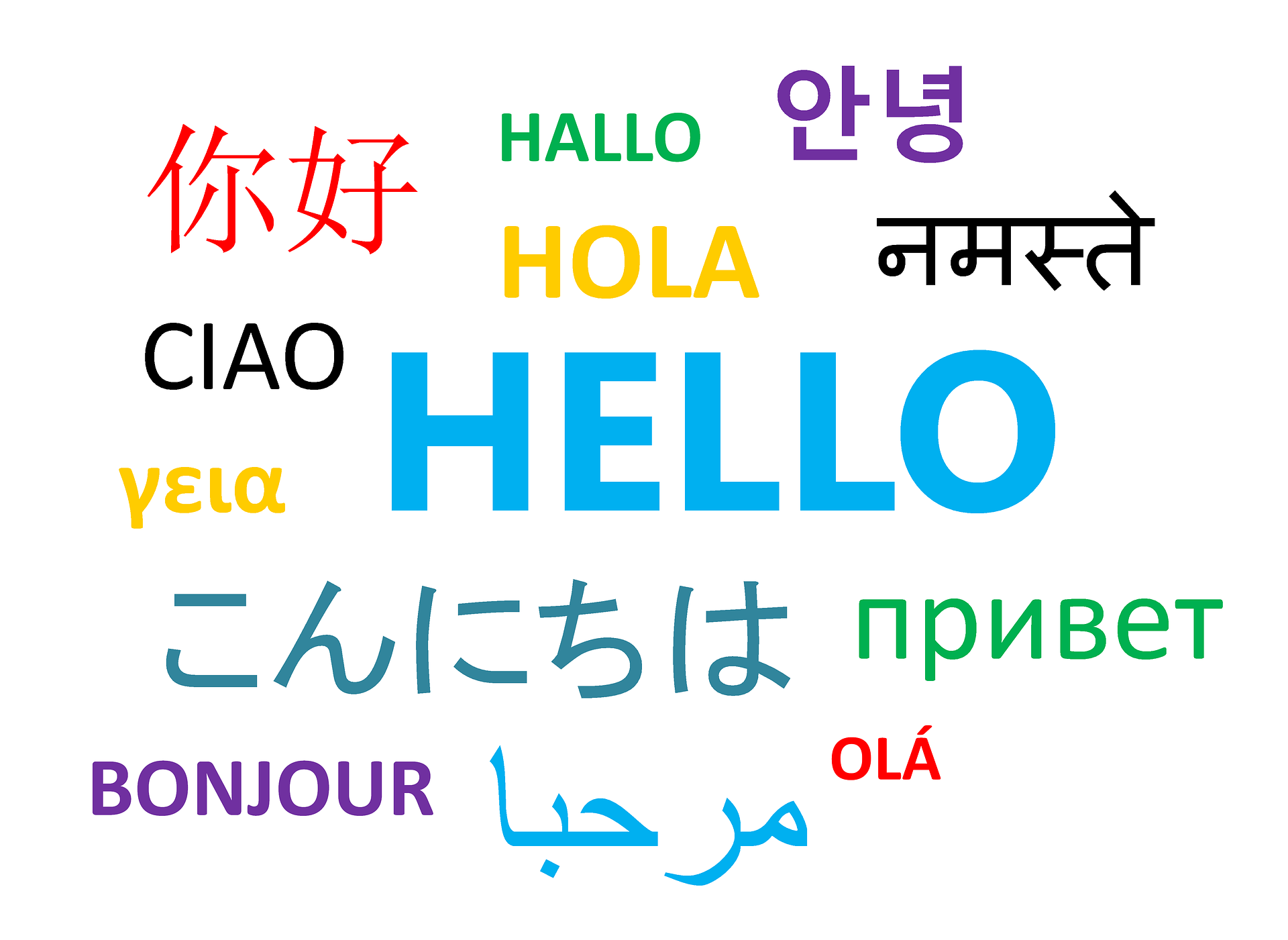
We want to celebrate all the different languages spoken in London.
Plan a short “taster” session for others (all ages) to learn your home language.
The goal isn’t to “teach a language” but to share a piece of yourself and help others feel the delight of understanding something new.
A home‑language taster session works best when it feels light, friendly, and confidence‑building for both the person leading it and the people taking part.
No need to be a teacher!
The focus could be:
COMMUNICATION
(a) simple greetings / leave‑taking
(b) asking how people are / answering the question
(c) saying that they like / love London + why (friendly, exciting, interesting)
… and anything else you might suggest!
KNOWLEDGE ABOUT LANGUAGE & CULTURE
(d) learning the basics of any non‑Roman script that applies to your language
(e) noticing basic grammatical differences (e.g., omission of articles, verb at the end of the sentence)
(f) knowing where the language is spoken
(g) knowing how to be polite (and how not to offend!)
Below is a practical How‑To Guide followed by a Sample 20–30 minute lesson plan that anyone — even total non‑teachers — can run with ease.
🌍 HOW TO GUIDE: Running a Home‑Language Taster Session
A friendly guide for people who want to share their language with others
🎯 1. Keep the purpose simple
A taster session is not a lesson. It’s a celebration. The aim is to help people:
• Say a few things confidently
• Notice something interesting about the language
• Feel connected to the speaker and their culture
• Leave with a smile and a new curiosity
😊 2. Start with what you know
You don’t need to be an expert. You only need:
• A few everyday phrases
• One or two fun facts about the language
• A sense of pride in your home language
• Willingness to help others try things out
🗣️ 3. Focus on communication, not perfection
Encourage participants to:
• Repeat after you
• Try the sounds
• Work in pairs
• Celebrate mistakes as part of the fun
✍️ 4. Add a tiny bit of “knowledge about language and culture”
People love discovering:
• A new script (even 3–4 letters is enough)
• A grammar quirk (e.g., “we don’t use articles”, “verbs go at the end”)
• Where the language is spoken
• How many people speak it
• A cultural detail (food, music, festivals)
🎨 5. Use visuals or props if you like
Optional but helpful:
• A slide or handout with the phrases
• A map
• A few words in the script
• A photo of your hometown
• A song clip or short video (if appropriate)
🕒 6. Keep it short and warm
20–30 minutes is perfect.
End with a moment of pride:
“Now you can greet someone in X language!”
📘 SAMPLE 25‑MINUTE LESSON PLAN
Adaptable to any language — from Yoruba to Polish to Urdu to Mandarin.
As they join you:
A song or some music.
0–3 min — Welcome & Purpose
• “Today I’m going to teach you a few phrases in [Language].”
• “By the end, you’ll be able to greet someone, ask how they are, and say why you love London.”
Invite a quick show of hands: “Who has heard this language before?”
3–8 min — Greetings & Leave‑taking
Teach 2–3 simple phrases:
• Hello
• Goodbye
• Thank you (optional)
Steps:
• Say each phrase slowly
• Ask them to repeat
• Let them practise in pairs
• Add a fun cultural note (e.g., “We often nod/bow/shake hands when saying hello.”)
8–12 min — Asking & Answering “How are you?”
Teach:
• “How are you?”
• “I’m fine / good / very well.”
Mini activity:
• Participants walk around and greet three people
• Encourage smiles and exaggeration — it breaks the ice
12–16 min — Saying “I like/love London because…”
Teach a simple structure:
• “I like London because…”
Give 3–4 adjectives: friendly, exciting, interesting, beautiful.
Participants choose one and say it aloud.
Optional: ask a few volunteers to share their sentence.
16–20 min — Knowledge About Language & Culture
Choose one or two of the following — not all:
Option A: Script
• Show 3–4 letters or characters
• Let participants try writing them
• Keep it playful: “Your handwriting is now officially better than mine!”
Option B: Grammar
Share one fun fact:
• “We don’t use articles.”
• “The verb comes at the end.”
• “We have gendered nouns.”
• “We have tones.”
Give one tiny example.
Option C: Geography
Show a map or describe:
• Where the language is spoken
• How many people speak it
• One cultural detail (food, music, festivals)
Option D: Social etiquette — how to be polite (and how not to offend!)
Examples:
• “We always greet everyone when we enter a shop.”
• “Colleagues shake hands every morning and again when leaving.”
• “With friends, we kiss to greet each other: a brush of the left then right cheek with a kiss sound. We rarely hug.”
20–23 min — Quick Review
Ask the group to:
• Greet you
• Ask how you are
• Tell you why they like London
Keep it light and celebratory.
23–25 min — Closing
• “You’ve just spoken [Language] — well done!”
• “If you want to learn more, ask me anytime.”
Optional: take a group photo with everyone saying the greeting.
🌈 Optional Extras You Could Suggest to Participants
• Bring a small object from home (flag, book, snack)
• Teach a simple gesture or cultural custom
• Share a proverb or saying
• Play a 10‑second clip of music
• Teach numbers 1–5
• Show how names are written in the script